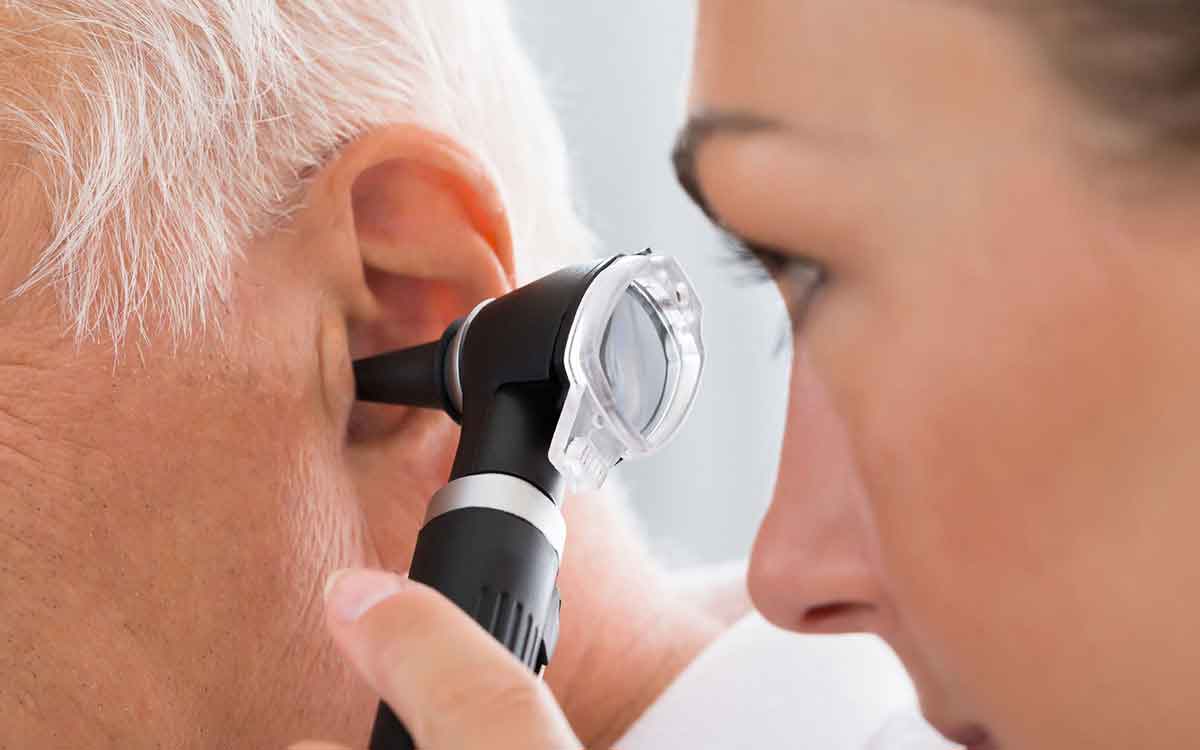
Hearing loss often occurs gradually, rendering it difficult to detect during the initial stages. Numerous individuals compensate subconsciously by raising the decibels on the television, requesting frequent repetitions, or withdrawing from loud settings.
Nevertheless, acknowledging the preliminary signs of hearing decline is fundamental for long-term health.
Common Symptoms of Early Hearing Loss
If you notice any of the listed clinical signs, it may be time to undergo an audiological screening.
- Reduced clarity during dialogue within high-noise areas.
- Frequently requesting others to clarify their statements.
- Muffled or blurred vocalizations, where words sound blended together.
- Turning up the volume on the TV, phone, or radio to levels that others find excessive.
- Reduced sensitivity to high-frequency acoustic signals such as bird songs or doorbells.
- The presence of tinnitus, characterized by ringing or buzzing in the ears.
- Mental drain following dialogue caused by persistent listening effort.
- Withdrawing from social events because conversations feel overwhelming.
These early signs of hearing loss can affect one or both ears and can be intermittent at first. Due to rapid neural adaptation, many patients remain unaware of their subconscious adaptations until the impairment advances.
Statistical Overview of Global Auditory Health
The World Health Organization reports that the need for hearing support will affect 700 million people by 2050. Other relevant statistics consist of:
- By 2050, approximately 2.5 billion people are expected to have various levels of hearing loss.
- More than five percent of the global community (roughly 430 million people) requires rehabilitation to manage disabling hearing loss.
- In excess of 1 billion young adults face the threat of permanent hearing loss due to unsafe listening practices.
- Among those over the age of sixty, over 25% have disabling hearing loss.
The Critical Importance of Early Identification
Neglecting hearing changes can have systemic health consequences that go unnoticed.
There is a clear association between untreated hearing loss and social challenges, including isolation and depression.
Managing symptoms early allows for a broader range of interventions and improved clinical results.
A clinical screening identifies if hearing shifts are caused by aging, earwax impaction, or other systemic issues.
Under certain conditions, auditory shifts are temporary and treatable.
Alternatively, early use of hearing devices or protective strategies can slow progression.
When to See a Hearing Specialist
A professional screening is warranted if you experience the following:
- Symptoms persist for more than a brief period.
- Hearing difficulties interfere with occupational performance and social life.
- You experience acute auditory decline, dizziness, or chronic ear ringing (this should be evaluated promptly).
Audiological evaluations are comfortable and safe, yielding essential information into your ear health.
Please contact our specialists if you are interested in scheduling a formal hearing test.
Auditory Health FAQ: Initial Symptoms
Question: Does hearing loss only occur with aging?
Answer: Not necessarily. Although presbycusis is prevalent, auditory shifts can stem from noise trauma, ototoxic drugs, or genetic factors.
Question: Are there cases where hearing loss is reversible?
A: Some causes, like earwax buildup or infection, may be reversible. However, permanent types of hearing loss are often successfully managed with hearing aid technology or therapeutic strategies.
Question: How frequently should an individual undergo a hearing test?
Answer: It is recommended that adults obtain a baseline assessment by age 50, with earlier testing for those with specific risk factors.
