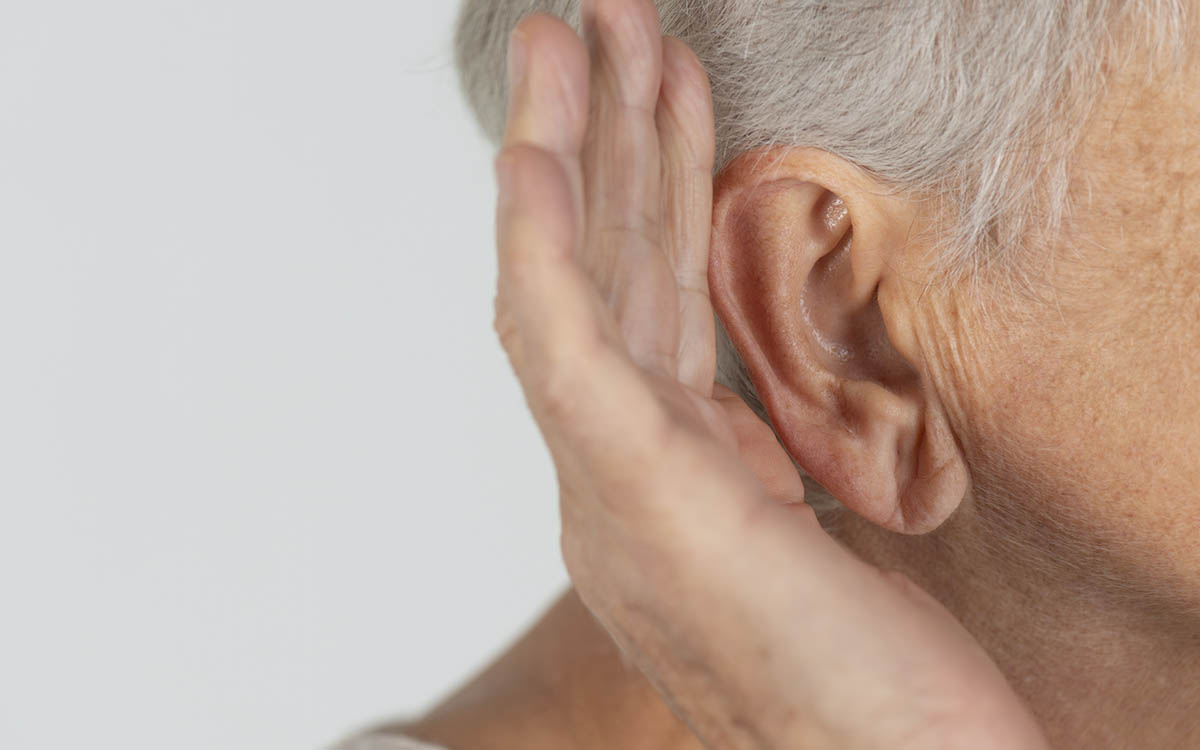
While many individuals correlate hearing loss to the aging process, however, for millions in the U.S., physiological damage begins at a younger age. Noise-induced hearing loss represents a common, preventable auditory pathology, escaping notice until it becomes a permanent condition.
Understanding how noise exposure impacts your ears over time facilitates proactive protection before significant hearing loss occurs.
What Is Acoustic-Related Hearing Loss?
Noise-induced hearing loss is characterized by the degradation of intricate inner ear components. According to the Centers for Disease Control and Prevention, acoustic levels surpassing 85 decibels can induce ear damage following repeated or lengthy exposure. Intense noise sources, specifically firearms or industrial tools, can compromise hearing integrity within a very brief timeframe.
Within the cochlea are specialized sensory structures referred to as hair cells. These receptors facilitate the conversion of acoustic vibrations into electrical signals decoded by the brain. Because hair cells cannot repair or replace themselves once damaged, hearing loss resulting from noise is generally a permanent physiological state.
The Cumulative Development of Ear Damage
A primary clinical concern regarding noise-induced hearing loss is its typically slow rate of progression. Initial clinical indicators of sound-induced trauma may involve:
- Temporary ringing or buzzing in the ears (Tinnitus)
- Post-exposure auditory dullness or perceived muffling of sound
- Reduced ability to distinguish vocal communication in loud surroundings
While these preliminary indicators may dissipate, this should not be mistaken for complete physiological recovery. In reality, repeated noise exposure continues to injure inner-ear structures, slowly reducing hearing clarity and sensitivity over time.
The hearing loss Association of America estimates that 48 million individuals in the US suffer from hearing loss, often without recognizing the contributing factors.
Identifying Everyday Sound Hazards to Auditory Longevity
We live in a noisy world, and it’s easy to become desensitized to loud sounds. As a result, many individuals remain unaware of the clinical prevalence of damaging noise exposure.
Commonly encountered risks include:
- Concert settings and loud musical performances
- High-volume output from personal listening equipment
- Lawn equipment, power tools, and motorcycles
- Occupational noise exposure within the construction or manufacturing sectors
Due to the routine nature of these sounds, auditory injury may accrue in the absence of overt symptoms.
Implementing Prophylactic Measures in Auditory Health
Unlike other health conditions, noise-induced hearing loss cannot be reversed. Despite its permanence, the condition is significantly preventable. Risk reduction can be achieved through fundamental protective habits, including:
- The application of earplugs or attenuation earmuffs in loud areas
- Reducing personal audio volume and adhering to the 60/60 safety guideline
- Scheduled breaks from noise to facilitate ear recovery time
- Arranging for routine Audiology assessments if noise exposure is frequent
When to Schedule Professional Audiology Services
If you notice persistent ear ringing, difficulty following conversations, or changes in hearing clarity, you should seek evaluation from a hearing professional. Prompt clinical evaluation is vital for tracking auditory status and formulating effective hearing preservation plans.
Implementing protective measures today safeguards your auditory capacity for the years ahead. Noise may be unavoidable, but hearing loss doesn’t have to be!. We invite you to schedule an appointment with our team to optimize your hearing function.
