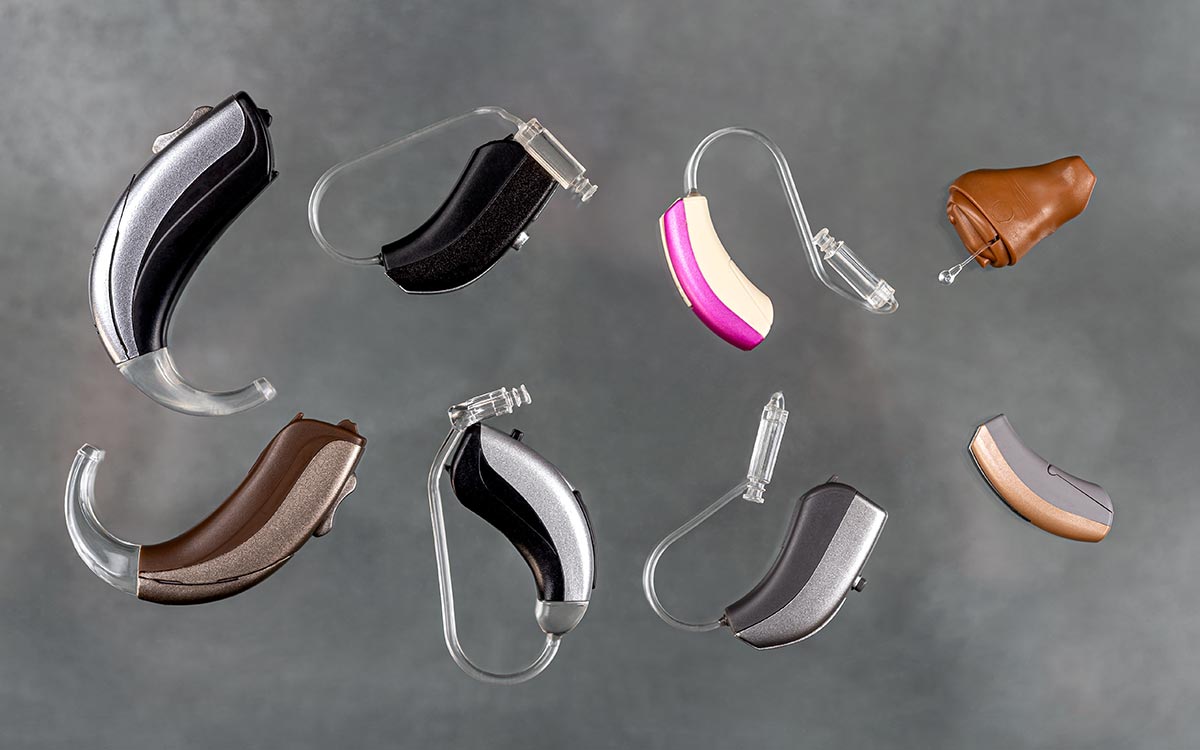
Choosing the right hearing aid can be a daunting task, given the wide array of styles, sizes, and technological features available in modern devices. However, a specialized hearing solution exists for every person’s singular needs and daily habits. Success lies in finding the specific aid that meets your personal preferences.
Gaining an accurate picture of common hearing aid categories will empower you to make an educated decision for your hearing health. We are going to study the primary styles available today to help you understand what sets each option apart.
ITC (In-the-Canal) Hearing Solutions
What they are:
ITC hearing aids rest partially in the ear canal, with a small portion visible at the outer ear.
Key Selling Points:
- Offers a smaller profile than bulkier behind-the-ear units
- Specifically shaped to the user’s ear for a better fit
- An effective option for those with moderate hearing needs
Because they offer both discretion and useful features, ITC models are an excellent pick for those new to hearing technology.
Ultra-Discreet IIC Aids
How they work:
These are the smallest custom-made devices on the market today. They sit deep inside the ear canal and are virtually invisible when worn.
Why they are popular:
- The best option for patients prioritizing appearance
- Strategic placement allows for a very organic listening experience
- So light and small that users frequently don’t notice they are wearing them
Due to their small stature, these aids are generally recommended for low-to-mid-range hearing loss and users who want total invisibility.
ITE (In-the-Ear) Model Overview
Structural Data:
A custom hearing aid fits securely within the outer ear, available in both full-shell and half-shell configurations. The shell is uniquely molded to the specific contours of your individual ear.
The Advantages:
- An appreciably larger casing houses advanced tech and more powerful batteries
- Provides a more manageable experience for those who struggle with tiny accessories
- Effective for an extensive spectrum of hearing impairments, ranging from mild to severe
ITE models are often chosen by individuals who want a simple, all-in-one design without behind-the-ear components.
Behind-the-Ear (BTE) Hearing Aids
What they are:
These devices sit on the external ridge of the ear’s anatomy. Sound moves into the ear canal through a small tube or custom earmold.
Why people choose them:
- Highly flexible and durable
- Can be programmed to help users with everything from mild to profound loss
- The size provides plenty of space for the latest connectivity features and rechargeable hardware
If you need a robust hearing aid that is simple to operate and offers high-power output, the BTE style is ideal.
Modern RIC (Receiver-in-Canal) Models
Mechanical Setup:
The RIC design keeps the main housing behind the ear while moving the receiver into the ear canal itself.
Why users choose them:
- Very organic sound quality
- Users appreciate the slim profile and comfortable fit for all-day use
- A versatile solution that works for various degrees of auditory needs
The combination of style and high-end functionality makes RIC models an ideal choice in the modern market.
Extended-Wear Device Details
Introduction:
A hearing specialist inserts these specialized hearing aids deep into the canal, where they remain for multiple weeks.
Why individuals choose them:
- Provides an effortless experience with no daily maintenance required
- They are virtually impossible for others to notice because of their depth
- Designed to be worn throughout everyday activities, including sleeping and exercising
If you want a hearing solution that requires zero daily thought, the extended-wear style is perfect.
Bluetooth-Enabled Hearing Aids
Tech Details:
Connectivity-focused hearing aids that use radio to integrate with your digital life.
Why people choose them:
- Turn your hearing aids into wireless earphones for all your favorite audio
- Allows for instant, discreet adjustments to your hearing aids through digital software
- Provides the ultimate in ease for those who use smartphones regularly
This wireless technology is found in many modern behind-the-ear and in-the-canal models.
Middle-Ear Implants
Design Overview:
This technology involves an operative procedure to place a device that physically stimulates the bones of the middle ear.
Medical Motivations:
- Serves as an essential substitute for those who find no success with traditional amplification
- Great for users who experience persistent irritation from standard molds
Candidates for middle-ear implants must complete an exhaustive evaluation by a hearing specialist.
Finding the Hearing Aid That Suits Your Life
There is no one single “ideal” hearing aid; rather, there is a best one for you, determined by your medical needs and personal comfort. An expert care professional can guide you through your options, answer questions, and help you experience how different devices look and feel.
Start moving toward a world of better sound by arranging an appointment with a hearing specialist. It is the most important move you can make toward a more vibrant and confident life.
Sources:
https://www.mayoclinic.org/diseases-conditions/hearing-loss/in-depth/hearing-aids/art-
20044116
https://www.hearinglife.com/hearing-aids/types
https://www.nidcd.nih.gov/health/hearing-aids
