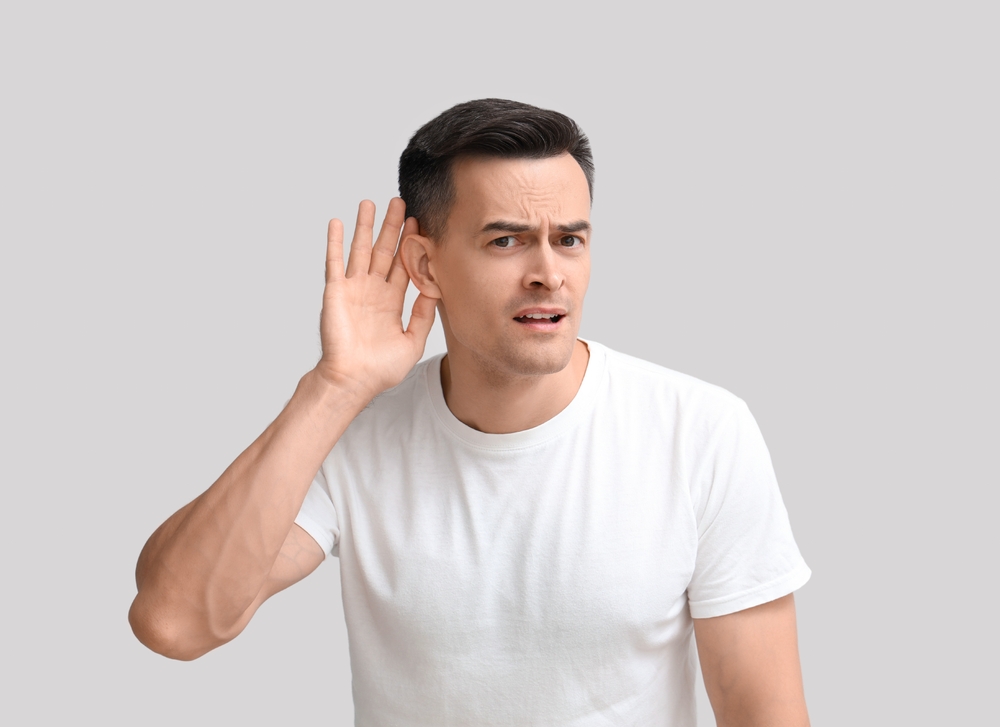
Have you noticed a distinct sense of exhaustion after participating in lengthy verbal interactions?
You may assume you’re just tired, stressed, or overwhelmed. While social gatherings are inherently demanding for people with sensory sensitivities, there may be another factor at play. Frequently, this specific type of burnout is actually triggered by chronic auditory fatigue.
This condition manifests when the brain’s auditory cortex is forced into an overactive state to interpret sound. The brain’s attempt to reconstruct incomplete audio data requires an immense amount of “processing power” and neural energy. Accumulated listening strain eventually manifests as the profound exhaustion associated with auditory fatigue.
Most individuals fail to distinguish between localized auditory fatigue and general fatigue. This type of burnout often points toward a functional decline in the auditory system. Undergoing a clinical screening can identify the extent to which hearing loss drives your daily fatigue. Should these symptoms persist, it is vital to discuss the possibility of hearing loss with a healthcare professional.
The Physiological Triggers of Auditory Fatigue
Multiple variables contribute to heightened cognitive demand during sound processing, elevating the risk of auditory fatigue.
The Impact of Unmanaged Hearing Loss
The absence of treatment for hearing loss is the most frequent driver of this neurological strain.
When acoustic signals are incomplete, the brain engages in heavy “top-down” processing to reconstruct speech. The mental labor required for constant speech reconstruction causes energy levels to plummet during social interaction.
How Background Noise Triggers Fatigue
Acoustically complex settings serve to intensify the demand on the brain’s filtering systems. Environments with significant background chatter make it difficult for the brain to isolate and prioritize relevant audio signals.
In multi-source sound environments, the brain must exert massive energy to suppress irrelevant noise. This intensive filtering often leads to cognitive overload, even in patients with “hidden” or sub-clinical hearing loss.
Tinnitus and Sound Distortion
Chronic tinnitus compounds listening effort as the brain struggles to ignore internal noise while focusing on external speech.
Sound distortion caused by hearing loss can further increase strain, forcing the brain to work even harder to understand speech.
Common Signs of Auditory Fatigue
The manifestations of auditory fatigue impact both cognitive performance and systemic energy reserves. Patients often present with the following indicators:
- Profound mental burnout after speaking with others
- Difficulty concentrating during meetings or group discussions
- Development of “listening headaches” after long social events
- A sense of agitation triggered by difficult listening conditions
- Social retreat to avoid the stress of auditory processing
- Needing a nap or quiet time after social interaction
Frequent presentation of these symptoms is a clear sign of neurological auditory over-exertion.
Why Hearing Loss Makes Your Brain Work Harder
Under optimal conditions, the auditory cortex decodes language with minimal neural expenditure. When input is weak, the brain must “steal” processing power from other areas to manage auditory interpretation.
In clinical literature, this phenomenon is identified as a surge in cognitive load. The brain is forced to sacrifice higher-level thinking to manage the low-level task of hearing sound. Over time, this extra effort can leave you feeling mentally depleted. Under these conditions, even brief interactions demand an unnatural level of mental focus.
Diagnosing the Source of Your Fatigue
A formal auditory screening is the most effective way to determine why you feel so drained. The evaluation process includes mapping your hearing range and measuring your speech discrimination accuracy. They may also evaluate how well you understand speech in background noise, which can reveal challenges that may not appear in quiet settings.
The data from your exam will determine if your fatigue is rooted in a physiological hearing deficit. Early diagnosis facilitates prompt intervention, preventing the onset of chronic cognitive load issues.
Restoring Energy Through Hearing Care
Treating hearing loss can significantly minimize listening fatigue.
Advanced hearing aids utilize AI to sharpen speech signals while simultaneously suppressing irrelevant environmental noise. The brain can finally rest, receiving data that is easy to interpret and understand.
As the cognitive burden of hearing is lifted, patients typically report gains in:
- Sustained cognitive stamina during the workday
- Focus during conversations
- Feeling relaxed and confident in noisy environments
As the brain stops struggling to hear, the world of sound becomes a source of joy rather than a source of stress.
When Should You Schedule a Hearing Test?
A professional screening is recommended if you identify with these patterns:
- You feel exhausted after conversations
- You are increasingly told that you are missing parts of the conversation
- You find yourself “guessing” at words in loud settings
- You avoid social situations because listening feels difficult
Seeking prompt audiological care is the most effective way to reclaim your energy and social confidence.
What You Need to Know About Auditory Fatigue
Is auditory fatigue the same as hearing loss?
No. Auditory fatigue refers to the mental exhaustion caused by intense listening effort. While they are different, hearing loss is the direct driver of most fatigue cases.
Do Hearing Aids Help with Exhaustion?
Absolutely; by cleaning up the acoustic signal, modern devices take the processing load off the brain.
Is auditory fatigue permanent?
In many cases, auditory fatigue improves when the underlying cause (like untreated hearing loss) is addressed with proper evaluation and treatment.
Say Goodbye to Post-Conversation Burnout
Socializing should replenish you, not leave you feeling drained. When simple listening becomes a chore, it is a sign of an inefficient auditory processing loop.
Don’t wait for the burnout to get worse; schedule your audiological check today. Empowerment, confidence, and peace of mind start with understanding what’s happening with your hearing.
