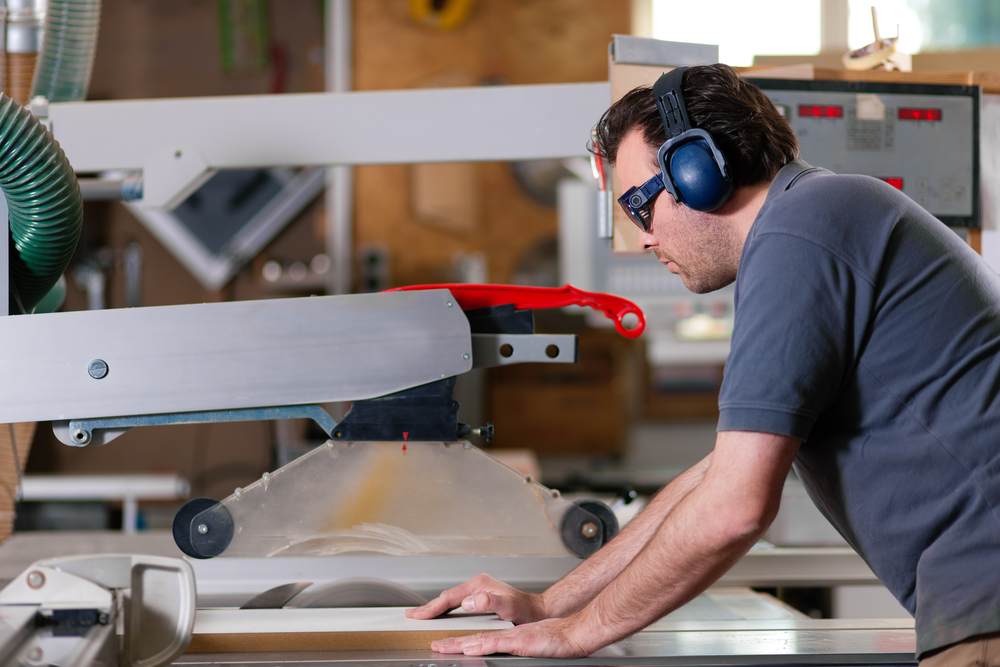
Your hearing health can be seriously affected by extended noise exposure, chiefly in environments where noise intensity surpasses safe limits. Ear protection is fundamental for both the avoidance of hearing loss and for keeping concentration in loud environments. What is the most effective way to determine the level of hearing protection that is optimal for you?
Gaining understanding into sound intensity and its consequences
When assessing the impact of noise, the length of exposure is as important as the sound’s volume. The main measurement for assessing noise levels is decibels, a unit employed to quantify sound volume. Hearing damage can start when sound volume hits 85 dB or more, especially after long-term exposure.
To provide a illustration, 85 dB is equal to the sound of urban traffic when perceived from inside a vehicle. While this may not seem overly loud, non-stop exposure for eight hours can start to harm your hearing. The more intense the sound, the less the safe exposure time:
- 90 dB (Lawnmower): Up to 4 hours of exposure can be harmful.
- You should keep exposure to 100 dB (such as Power tools) to one hour or less.
- Damage is possible after only 15 minutes at the 110 dB level (Leaf blower).
- Even momentary exposure to 120 dB (e.g., a Rock concert) is enough to cause hearing damage.
- Immediate pain and damage are possible at 140 dB (Jet engine).
Identifying dangerous noise levels
You must wear hearing protection when frequently exposed to 85 dB or louder levels. This is particularly true in workplaces like building areas, factories, or any location where equipment, tools, or gear produce excessive noise.
Beyond the work setting, instances like recreational shooting sports, using leaf blowers, or going to concerts are examples where you may benefit from using hearing protection due to the unsafe noise exposure.
How the NRR guides your selection
The performance of hearing protection is evaluated by its Noise Reduction Rating (the NRR). Expressed in dB, this figure indicates the level of sound blockage the protective unit is able to block. A more substantial decrease in sound is ensured by higher NRR ratings. To give a practical example, a 30 dB NRR on earplugs would decrease an 85 dB noise down to 55 dB, which is a sound level far below the dangerous limit.
When making your decision, take into account the actual noise volume you are facing and verify that the protection reduces the sound below the 85 dB limit.
Comfort is vital: the essential to continuous protection
While the NRR is a critical factor, comfort plays an equally significant role in ensuring long-term use. An uncomfortable or cumbersome protective unit raises the temptation to remove it, which leaves your ears to harmful noise.
When the protection is comfortable, it promotes continuous use and lessens the risk associated with removing it periodically. If, for example, earmuffs feel uncomfortable or weigh too much, you are inclined to take them off intermittently, resulting in hazardous noise exposure.
The main types of hearing protection equipment
Different varieties of hearing protection are available, and each one presents unique benefits and cons:
- Foam Earplugs: These sit inside the ear canal and offer excellent noise reduction. They’re lightweight and disposable but may feel uncomfortable for some users.
- Pre-Molded Earplugs are positioned slightly outside the ear canal; they are reusable—a more sustainable choice—and are also easier to handle than foam earplugs.
- Earmuffs, which cover the entire ear, are well-suited for environments with changing noise levels due to how easy they are to take on and off, but they can be heavy or hot during prolonged use.
The optimal choice of protection is dependent on your individual comfort and the particular requirements of your environment. For example, workers in construction may favor the ease of use of earmuffs, while factory staff might opt for earplugs for full-day wear.
Ensuring steady use
The protection that is used without fail is, by nature, the most effective kind. Any interruption in use, even for a short period of minutes, can have long-term consequences for your hearing health. For this purpose, finding a product that balances protection, comfort, and convenience is vital.
Protect your hearing for the long term
Even though noise is an unavoidable part of life, suitable hearing protection enables you to safeguard your hearing while still enjoying the sounds surrounding you.
To review the best methods for protecting your hearing health and evaluating your risk for noise-related hearing damage, please contact us today.
