Muffled hearing can affect every facet of your life, leaving you feeling confused and disconnected from the world around you. While the fear of permanent hearing damage is a common first reaction, the true culprit is frequently a simple accumulation of earwax.
Differentiating between a wax impaction and actual hearing impairment is vital for identifying if you need a simple cleaning or a formal diagnostic exam. Avoid the urge to worry if your hearing feels suddenly diminished. While only an audiologist can verify the cause, reviewing these key markers of wax vs. hearing loss can provide immediate insight.
Identifying the Symptoms of Earwax Blockage
Earwax (cerumen) is a natural, defensive substance that helps capture dirt and debris and keeps the ear canal functional. Issues arise when excessive wax accumulates or becomes impacted.
Symptoms of a clog often include:
- Dampened sound clarity that manifests over time or suddenly
- A sensation of pressure or clogging in the ear
- Overall ear irritation or minor soreness
- Internal ringing within the impacted ear
- Hearing that improves briefly after opening the jaw or chewing
A signature of wax-induced sound changes is asymmetry, typically impacting one side over the other. Fortunately, once excess wax is safely removed, hearing often reverts to normal right away.
How Auditory Loss Usually Manifests
Unlike a temporary obstruction, nerve-based hearing deficit typically advances slowly over decades and is not resolved by clearing the ear.
Standard symptoms of permanent auditory loss include:
- Difficulty comprehending conversation, particularly in noisy settings
- Regularly requiring repetition during normal conversation
- A tendency to boost sound output significantly to compensate for hearing loss
- Difficulty detecting high-frequency sounds
- A symmetrical reduction in auditory function in both ears
Contrasted with earwax buildup, hearing loss doesn’t usually cause a sensation of blockage or fullness.
Quick Guide: Earwax vs. Auditory Decline
By looking at the onset and specific markers, you can often identify which condition is affecting you:
- Timing: Obstructions can feel instant, while auditory decline is virtually always slow
- Sustainability: Clogs are a fast fix, while nerve loss needs ongoing care
- Markers: Fullness suggests a clog; difficulty with word clarity points to decline
- Ear Balance: One-sided dull sound suggests cerumen, while both sides point to hearing loss
Why You Shouldn’t Treat Yourself
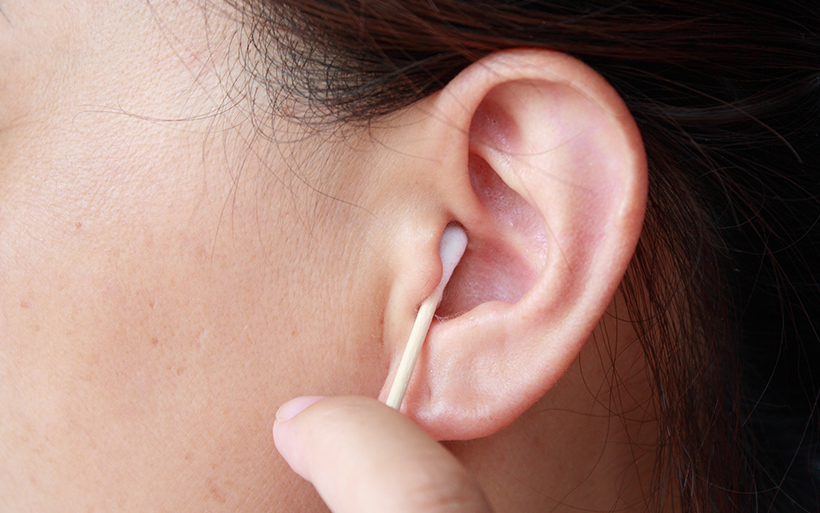
Numerous people make the mistake of attempting to extract a perceived blockage manually using probes or household tools. Using external objects typically pushes the plug deeper into the ear, increasing the risk of trauma.
According to the NLM, placing items into the ear canal raises the likelihood of impaction and injury.
Postponing a professional check-up for actual impairment can result in losing out on solutions that protect your future cognitive and communal health.
How a Clinical Exam Assists
A specialist can employ an otoscope to immediately visualize if a physical obstruction is visible.
If cerumen is found, safe removal often resolves symptoms on the spot.
Should the auditory canal be unobstructed but hearing struggles persist, an audiogram can evaluate if hearing loss is identifiable and identify its type and severity.
Medical authorities suggest seeking a professional evaluation as soon as you notice auditory changes that affect your lifestyle.
Closing Thoughts on Earwax and Auditory Health
Muffled hearing doesn’t necessarily indicate irreversible damage.
It is frequently the case that a basic, treatable blockage is the root of the concern.
Your hearing care team can help you to get to the root of dull auditory symptoms so you can proceed with assurance and tranquility.
Keep in mind: The only reliable way to tell the distinction between cerumen impaction and auditory impairment is with a professional evaluation.
Addressing the issue now stops the anxiety of the uncertainty and puts you on the track to improved hearing.
If you’ve noticed a shift in your hearing, call our office for a professional evaluation today.
