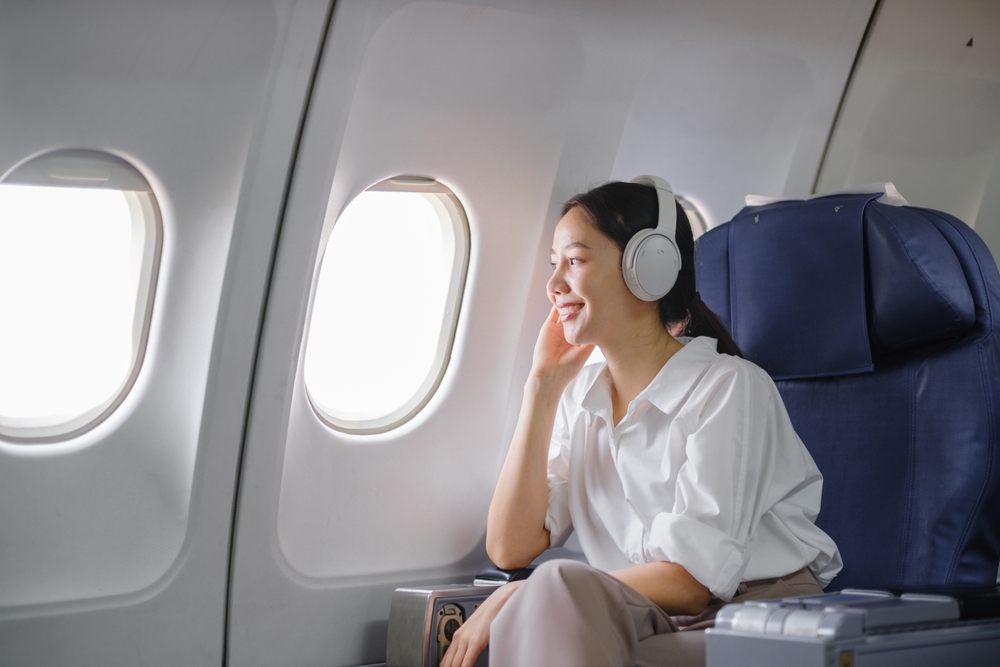
For people who experience tinnitus, air travel can be a source of anxiety, as the flight might intensify their ear discomfort, enhancing the normal pre-trip jitters about reaching their final destination. The boosted noise inside the airplane, variations in air pressure, and the anxiety related to flying can all result in a worsening or more disturbing experience of tinnitus. Fortunately, recognizing how flying affects your ears and learning ways to prepare can make your next trip much more manageable.
What causes tinnitus to worsen in high-elevation settings?
Tinnitus is the experience of hearing sound when there is no actual outside sound present. For some people, it presents as a relentless ringing, while other people might hear buzzing, clicking, whooshing, or static-like noise.
Tinnitus is often a warning sign of a deeper health issue or hidden condition, including:
- Hearing Loss: Traumatic head injuries or prolonged exposure to excessive noise levels can damage the delicate structures of the inner ear.
- Ear Infections or Obstructions: Fluid accumulation and infections can trigger or exacerbate tinnitus.
- Some medications can be ototoxic to the inner ear, causing or aggravating hearing and balance problems.
- Benign Tumors: Growths like acoustic neuromas might impact hearing and balance.
Tinnitus can be perceived in two ways: as a personal experience that only the individual can hear, or as a sound that can be detected by a medical specialist utilizing specialized listening devices. When flying, a number of variables can intensify the symptoms, making travel more unpleasant for those impacted.
Exploring the connection between airplane ear and tinnitus
“Airplane ear” is a phrase used to define the sensation of fullness, pressure, or muted hearing that frequently accompanies flying. It happens when the eustachian tubes– which regulate pressure in the middle ear– working to adjust to altitude changes during take of and landing. If these tubes fail to open effectively, pressure imbalances can develop, causing discomfort or even pain.
For individuals with tinnitus, this pressure imbalance can intensify their symptoms or present new ones. The additional stress and sensory overload of a flight only compound the issue.
Why flying can aggravate tinnitus symptoms
Several elements of air travel might intensify tinnitus:
- Jet Engine Noise: High decibel levels inside the cabin, particularly near the engines, can intensify sensitivity in the ears and worsen tinnitus.
- Shifts in Air Pressure: The abrupt changes in air pressure that occur during flight takeoff and landing can interfere with the normal functioning of the eardrum and nearby tissues, possibly causing or exacerbating tinnitus symptoms.
- Travel-related anxiety, combined with inadequate rest or insufficient hydration, can intensify the experience of tinnitus, making it seem more pronounced and bothersome.
Travel suggestions for reducing tinnitus discomfort mid-flight
By putting a few easy safeguards into your flight routine, you can substantially decrease the discomfort and pressure in your ears during air travel.
- Wearing noise-canceling headphones can considerably decrease the disruptive sounds of the plane’s engine, especially during the loud periods of departure and arrival. You can also listen to relaxing music or white noise, which can help conceal the ringing in your ears.
- Select a tactical seating option: If possible, opt for a seat towards the front of the plane rather than near the engines. This spot tends to be quieter and more conducive to a tranquil flight.
- Stay Clear Of Standard Earplugs: Though tempting, traditional earplugs may increase inner ear pressure, making symptoms worse. Instead, consider using plugs that are produced for controling ear pressure during air travel.
- Chew Gum: To alleviate discomfort, try chewing gum or swallowing regularly, as these basic actions can help maintain the patency of the eustachian tubes, facilitating a more efficient balance of pressure.
- Use a Decongestant: Consider using a decongestant, either in oral or nasal form, before your flight if your physician advises it. This can help reduce nasal congestion and allergies, potentially preventing any blockages in the eustachian tubes.
- Remain Awake During Ascent and Descent: Staying awake allows your body to naturally adjust to air pressure changes. Sleeping during these moments can reduce the likelihood of active pressure equalization.
In-flight distractions and relaxation solutions
Redirecting one’s attention can be a highly effective strategy for dealing with tinnitus. Bring entertainment alternatives like audiobooks, soothing playlists, or puzzles to keep your attention elsewhere. Meditation apps and breathing exercises can also help ease flight-related stress and lessen your awareness of tinnitus.
Before your trip, try to get quality rest and stay hydrated. Skipping caffeine or alcohol on travel day can also reduce ear-related symptoms. If you depend on hearing aids, think about wearing them during your flight – they can help recover a more natural hearing experience and potentially minimize the effect of any internal ringing or buzzing sounds.
Seek professional advice if tinnitus disrupts travel
If tinnitus regularly makes flying uncomfortable, it’s worth consulting with a hearing specialist. A comprehensive evaluation can identify the underlying cause of your tinnitus and result in targeted recommendations– including custom travel solutions or treatment options to deal with flare-ups more successfully.
Arrange a consultation to assess your ringing in the ears symptoms now.
